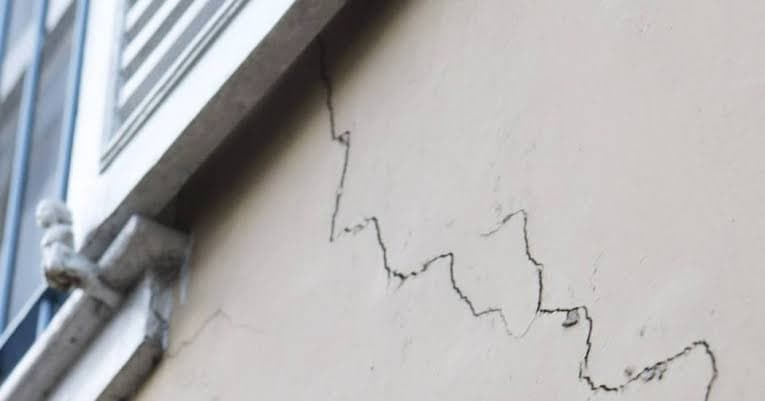
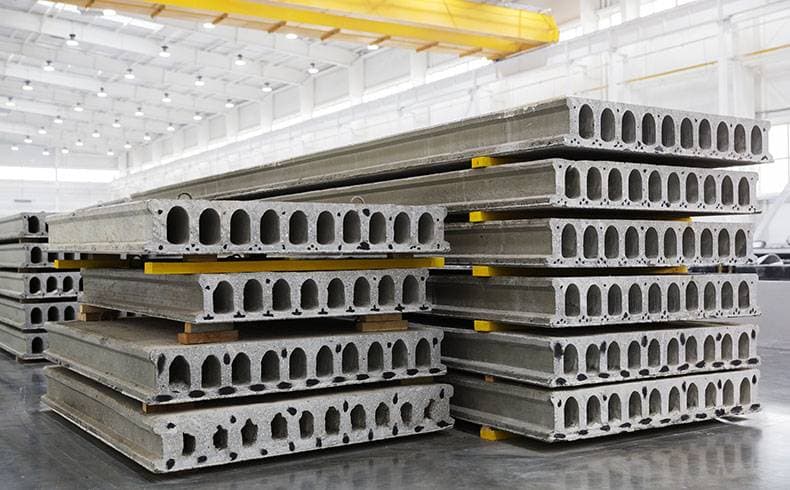
Research reveals early concrete wear in road tunnels
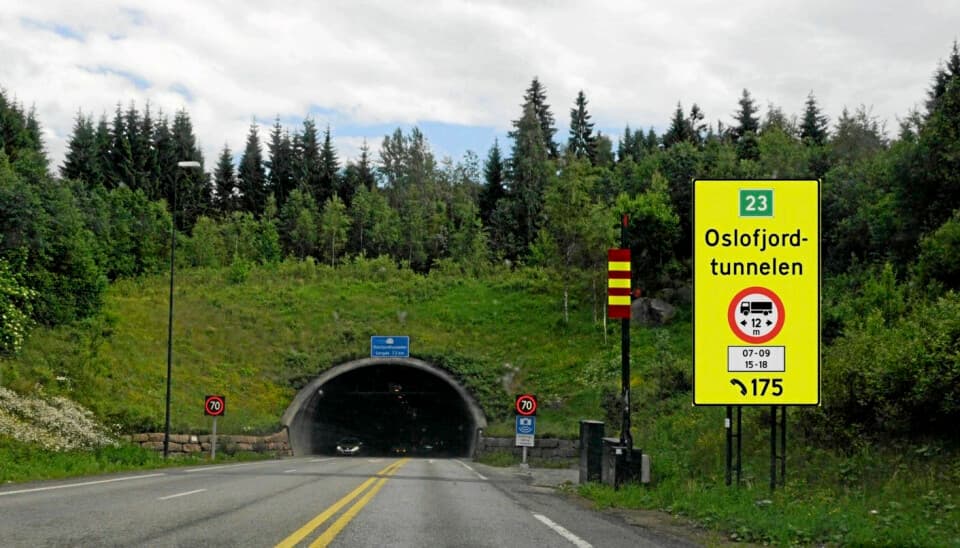
Recent studies indicate that the concrete used in road tunnels can deteriorate earlier than expected, especially in regions near the sea. Research from Chalmers University of Technology, in Sweden, identified the phenomenon in the Oslofjord tunnel, in Norway.
Concrete compromised by bacterial activity
Seawater seepage carries bacteria that attach to the concrete and form biofilms, microbial colonies that accelerate corrosion. According to the researchers, in some areas degradation can reach one centimeter per year and, in extreme cases, material loss reaches 10 centimeters in just five years.
A still under-explored problem
At first, the high pH of concrete prevents bacterial growth, but over time the pH drops and creates conditions for bacteria to proliferate. The marine environment favors the colonies and accelerates corrosion of the rebar, and climate change, by lowering ocean pH, tends to intensify the risk.
Prevention first
The researchers state that the tunnels remain safe thanks to continuous monitoring, but warn about the importance of frequent inspections, pH measurement and observation of groundwater flows. The study, published in the journal Scientific Reports, reinforces that even tunnels in contact with fresh water can suffer similar, if slower, degradation.