Safer construction: Chamber approves bill expanding warranty periods for construction defects
The Urban Development Commission of Brazil's Chamber of Deputies approved Bill 5605/2019, which proposes significant changes to contractor liability rules in civil construction. Reported by Deputy Toninho Wandscheer (PP/PR), the text aims to provide greater legal certainty by detailing types of construction failures and expanding accountability timeframes.
The bill's central point amends Article 618 of the Civil Code, which currently sets a five-year liability period for defects affecting the solidity or safety of a building. The proposal extends this period to ten years.
In addition, differentiated warranty periods are proposed according to the type of construction defect:
- Five years for defects in structural elements or building systems that make proper use impossible.
- Two years for failures in finishes or third-party equipment.
An important advance defines when these periods begin: whichever occurs first among the issuance of the work completion certificate, the delivery of the property, or the completion of the service. The owner may rescind the contract within one year after delivery if defects are identified, while preserving other warranty rights.
The bill now proceeds to the Constitution and Justice Commission. If approved and with no request for a plenary vote, it may go directly to the Senate.
Concrete quality is directly associated with construction defects
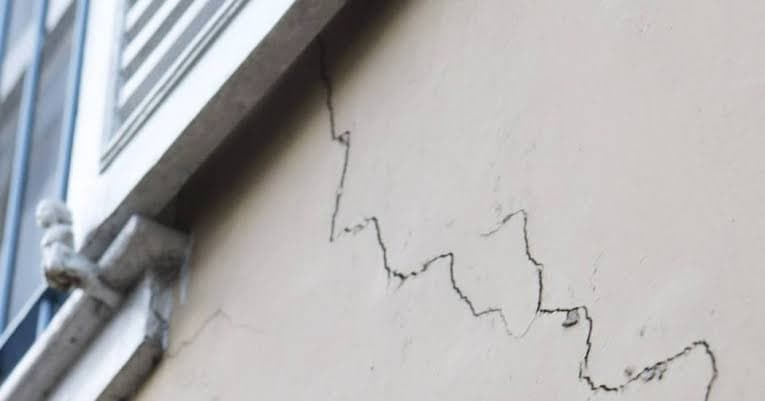
Execution failures can compromise the structural performance, durability, or safety of a project. These defects can be visible or hidden and often originate from failure to meet the technical requirements of concrete. Among the most common causes are:
- 1.Inadequate dosing: incorrect proportioning of materials causes weakness, porosity, low strength, cracks, disintegration, and infiltrations.
- 2.Deficient material quality control: impure materials reduce adhesion and strength, leading to performance loss and vulnerability.
- 3.Excess water: increases workability but compromises strength and durability, creating porous concrete with greater shrinkage.
- 4.Inadequate curing: insufficient moisture and protection cause plastic shrinkage cracks, low strength, and premature carbonation.
- 5.Incorrect placement and consolidation: improper placement or insufficient consolidation creates voids and honeycombing, leading to structural failures and loss of durability.
- 6.Lack of technological control: the absence of testing prevents quality verification, allowing the use of out-of-specification concrete without detection.
Ensuring concrete quality requires proper design, quality materials, trained labor, and rigorous control at every stage of construction. Automation in concrete plants ensures production quality control and compliance with specifications.