Climate change represents a growing global concern, triggering impacts that go beyond the limits of climate and the environment. These transformations affect many sectors, including civil construction, one of the most relevant and influential industries in the global economy.
Despite the additional challenges that arise, it is important to recognize that these changes also open opportunities to review existing practices and pursue more sustainable and efficient solutions. In this context, this article aims to explore the impacts of global warming on construction and present some measures to mitigate these risks.
What is the relationship between global warming and civil construction?
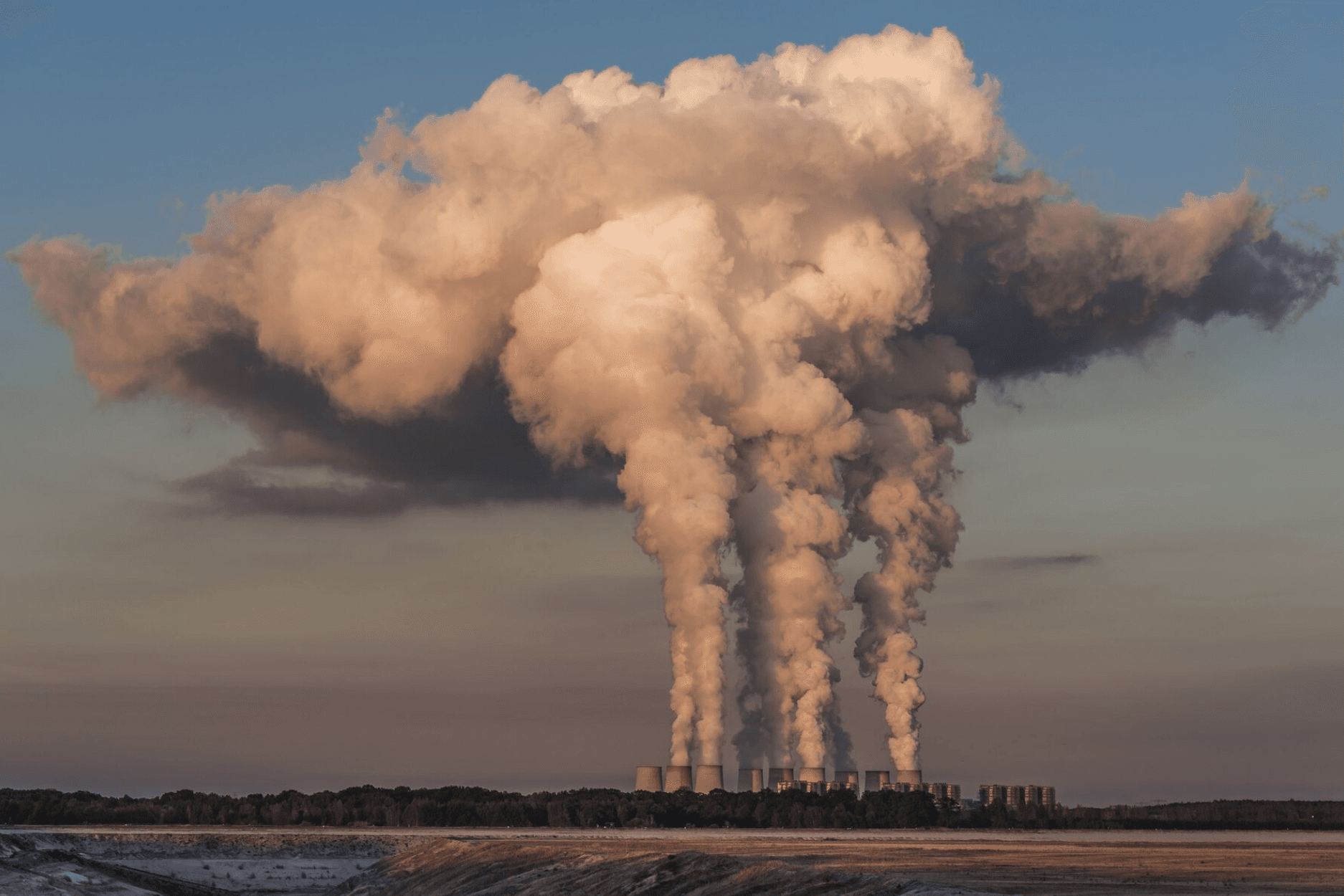
The relationship between global warming and civil construction is complex. On one hand, the construction industry is a major contributor to greenhouse gas emissions, which drive climate change. On the other hand, it is also impacted by changes in the climate, which can cause a series of problems for concrete structures.
Recent studies have warned about the potential damage caused by global warming to construction. High temperatures, excessive humidity, and shifting climate patterns can cause the wear and degradation of concrete, compromising the safety and longevity of structures.
The impacts of climate change on concrete
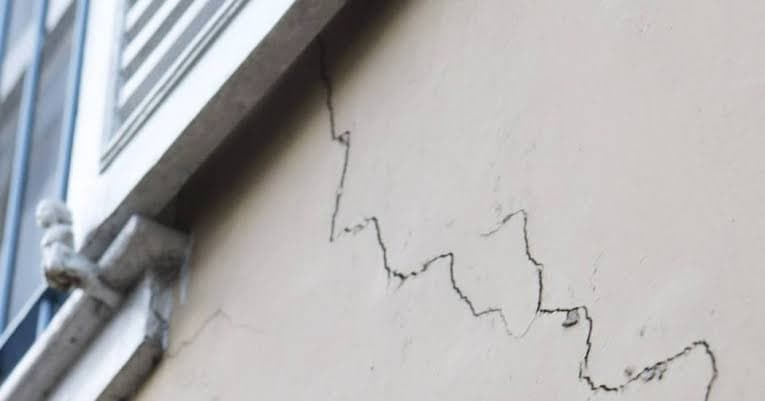
Concrete is a porous material that absorbs water, a process that can be accelerated by high temperatures and excessive humidity. The expansion and contraction caused by these changes can lead to cracks, which in turn allow more water to enter and accelerate the degradation process.
In addition, climate change can lead to more frequent occurrences of extreme weather events, such as storms and floods, causing significant damage to concrete structures, especially if they are not properly waterproofed.
Minimizing the impacts of climate change with Kartrak Kmix
Did you know that automation plays a fundamental role in the sustainability of the construction industry? With the ability to optimize production processes, plants can reduce water and energy consumption, as well as CO2 emissions.
One of these automations is Kmix, a system developed by Kartrak specifically for batching plants, enabling greater efficiency in concrete production with maximum resource control and minimal material waste. Even though it is not yet on a large scale, this means a valuable increase in the company's profitability, without setting aside its commitment to sustainability.
Building a sustainable future
Climate change is a challenge for the construction industry, but also an opportunity to adopt more sustainable and efficient practices. Kartrak, through Kmix, is committed to facing this challenge.
Although the relationship between climate change and civil construction is complex and full of challenges, with the right technologies and strategies it is possible to minimize impacts and seize the opportunities it brings. How about getting to know the innovative and efficient solutions for concrete production and management better?