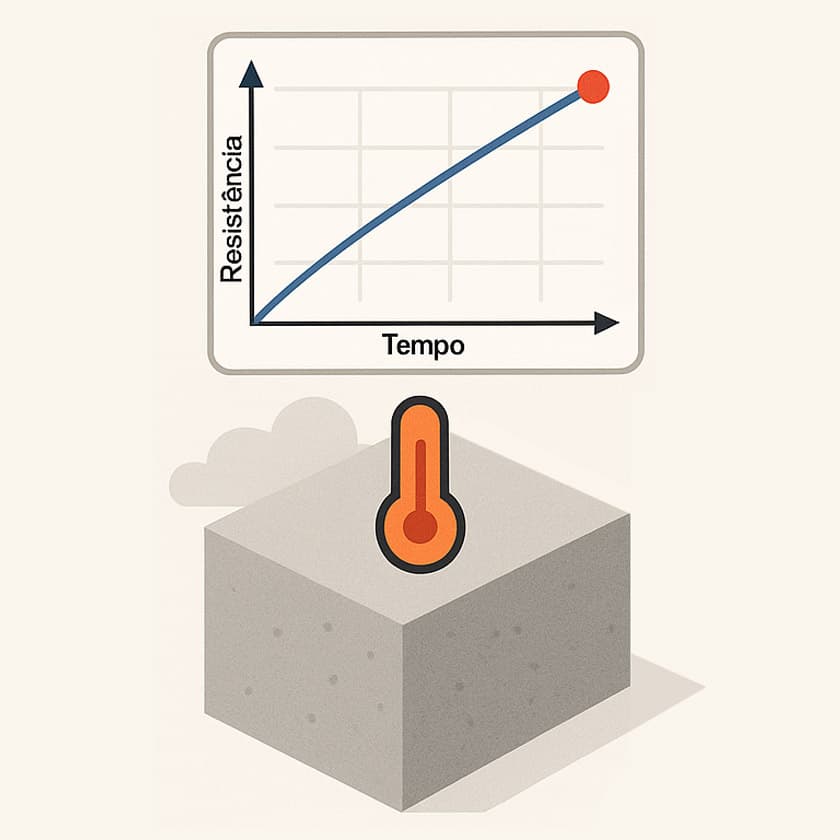
Sand moisture is the amount of water it contains relative to its total weight. Measuring and controlling this factor is essential to ensure the strength and durability of concrete.
Why moisture matters so much
If a 10 kg sand sample holds 1 kg of water, moisture is 10%. In a batch using 5,000 kg of sand, that is 500 liters of water already entering the mix. Without subtracting that water, the mix design is completely thrown off.
It all comes down to the water/cement ratio
Mix designs are defined by the ratio between water and cement. That is why water and cement must be dosed as precisely as possible. If the design calls for 900 liters of water and the sand already brings 500, only 400 liters should be added, or the concrete will differ from what was specified.
How moisture affects concrete
Excess water causes bleeding, voids and higher permeability, leaving concrete more exposed to rebar corrosion. Insufficient water keeps part of the cement from reacting, reducing strength and making the material porous. In both cases, durability suffers.
Measurement methods
- Oven method: dries the sample in an oven and calculates moisture from the weight difference; precise and widely used.
- Drying-oven method: weighs the sample before and after drying; simple and effective.
- Alcohol immersion: fast, measures the mass change after the alcohol evaporates; less precise.
- Moisture sensors: installed in the plant, they report moisture in real time to the automation system.
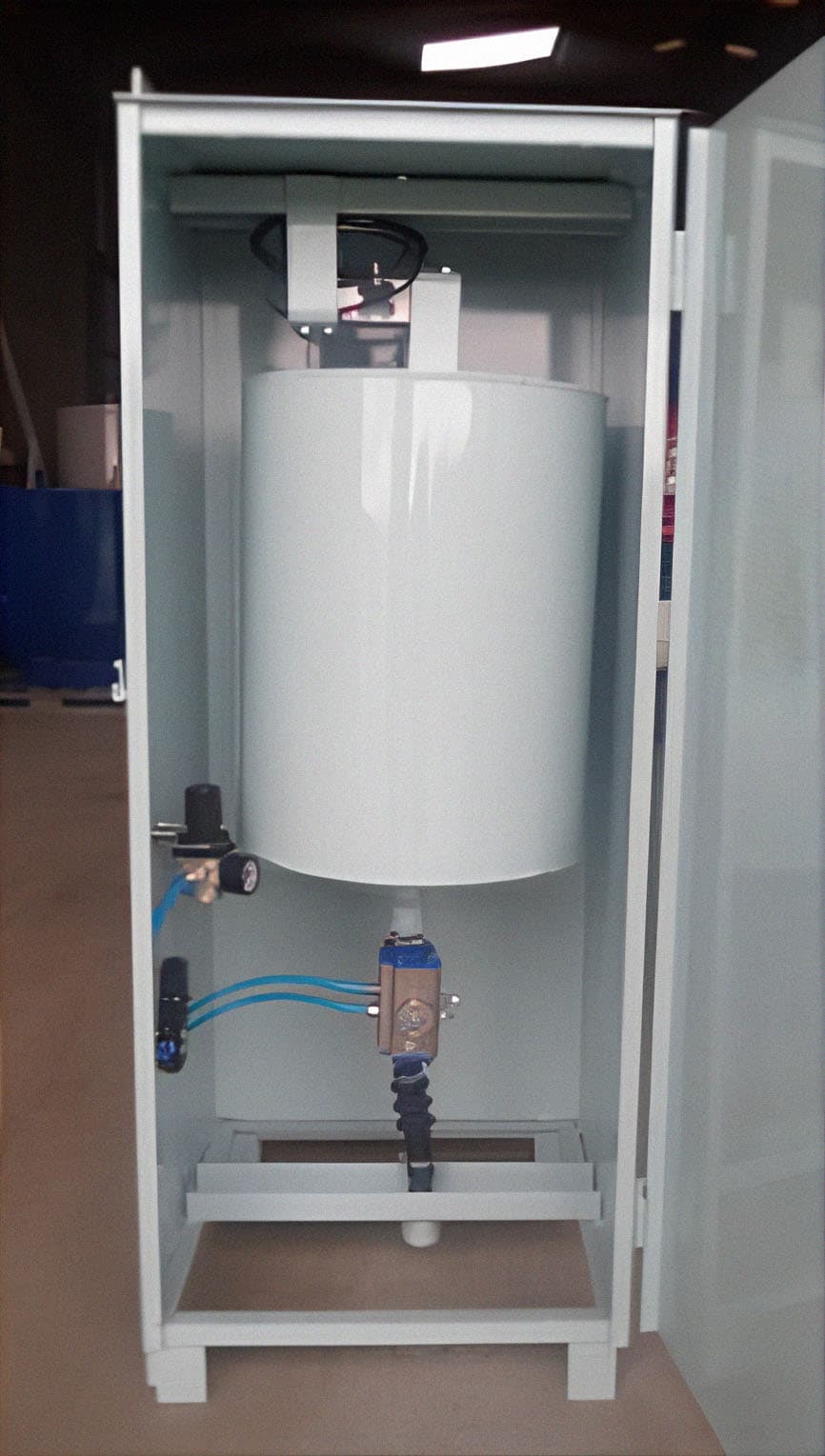
With a system like Kartrak's Kmix, you enter the aggregate moisture and the system automatically corrects the amount of water sent to the truck, keeping the concrete within the mix design with precision and speed.