Why is Roman concrete more resistant than modern concrete?
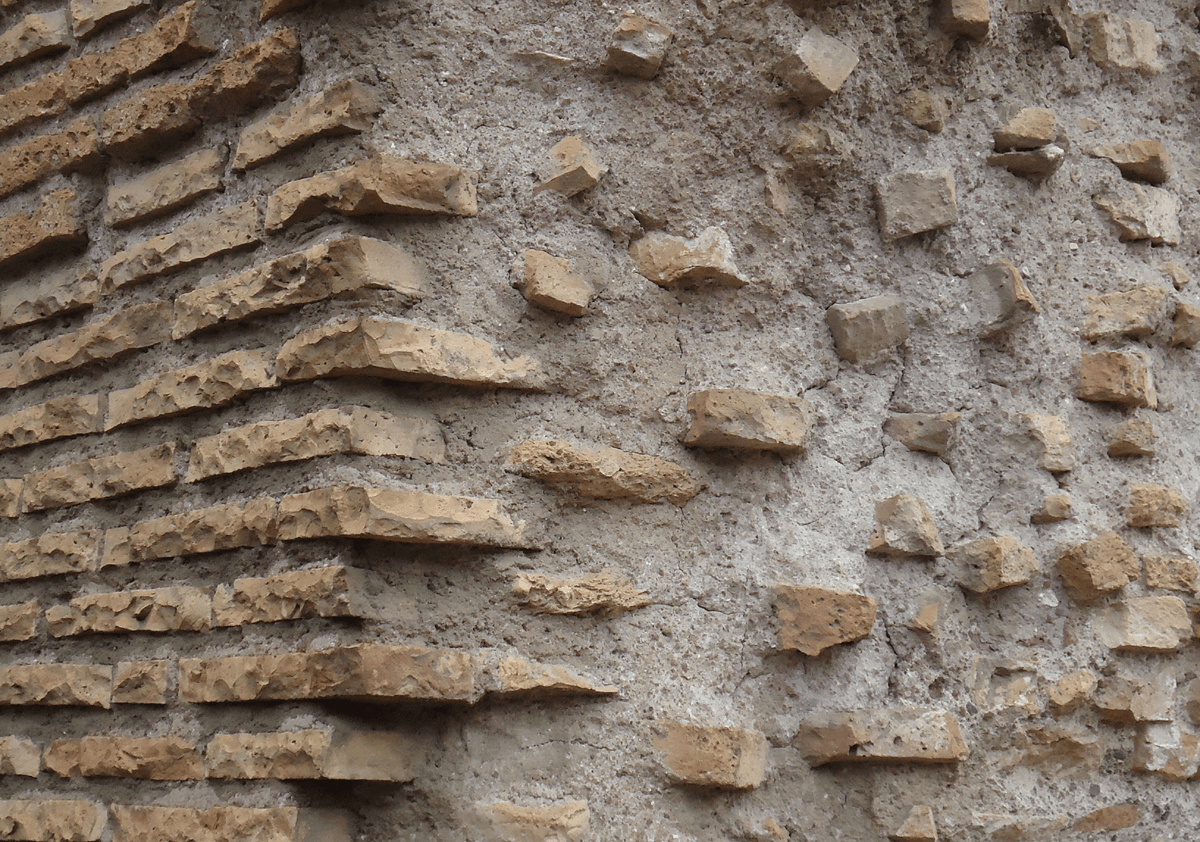
The harbor structures built by the Romans relied on a simple, almost 'magical' recipe, one capable of becoming even stronger as time passes. This behavior still intrigues researchers today and helps explain why these monuments have survived for more than two thousand years.
The composition that makes the difference
The Roman concrete used in maritime infrastructure shows superior durability compared with today's formulations because its composition brings together volcanic ash, lime, and seawater. This combination produces aluminous tobermorite minerals that strengthen the material progressively over time, especially in saltwater environments, where chemical reactions keep reinforcing the structure.
It is precisely this lasting strength that allowed Roman structures to survive for more than 2,000 years. It reflects the Romans' ability to create a concrete that is more sustainable and efficient than many modern materials.
A material that behaves like rock
Modern scientific analysis reveals that the composition undergoes a continuous chemical exchange with seawater. Unlike Portland cement-based formulations, which lack regenerative properties, Roman concrete behaves geologically: the reactions increase the material's strength across the centuries. Microscopic examination identified aluminous tobermorite and phyllosilicate minerals strengthening the substrate.
Lower environmental impact
Producing Roman concrete requires a significantly lower environmental impact, since the process avoids the temperatures of around 1,450 °C needed to manufacture Portland cement.
Lessons from the past for the construction of the future
Researchers such as Marie Jackson are investigating how ancient Roman formulations could be incorporated into contemporary construction, especially in maritime applications, to reduce the ecological consequences of building. The studies also explore combining traditional methodologies with modern reinforced concrete techniques in pursuit of greater durability and sustainability.