Digital twins and sanitation 4.0: how technology is transforming water infrastructure
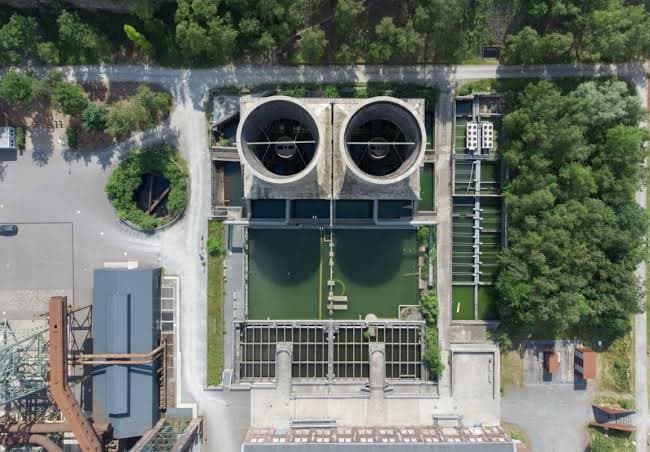
The sanitation sector is undergoing a technological transformation driven by digitalization, automation and Artificial Intelligence. In this context, digital twins are emerging as promising tools for managing water and sewage networks. They are virtual representations of physical systems that enable simulations, real-time monitoring and predictive maintenance.
What digital twins are and how they work in sanitation
According to IT executive Mauro Periquito, of 3R Logtec, these tools optimize the operation of treatment stations, anticipate failures and validate hydraulic models across different scenarios. Among the main benefits is predictive maintenance, which anticipates issues such as leaks based on the analysis of pressure and flow data.
The power of combining IoT and AI
When combined with IoT and Artificial Intelligence, the results are amplified. Connected sensors transmit data in real time, while AI analyzes the information to detect anomalies and forecast demand. Intelligent dashboards display this data clearly, supporting faster, better-informed decisions.
Success cases in Brazil and around the world
International success cases include Singapore, England, Denmark and Italy, where digital twins reduced water losses and increased efficiency. In Brazil, highlights include Sabesp's advanced failure monitoring and Aegea's project in Manaus, which achieved leak reduction and operational savings.
The same movement in concrete production
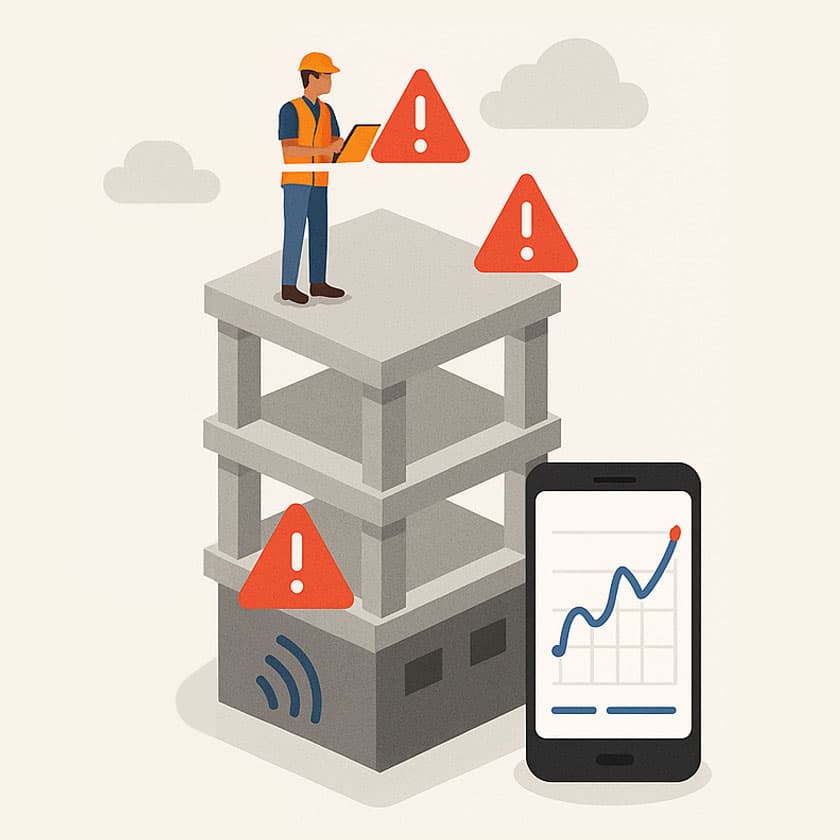
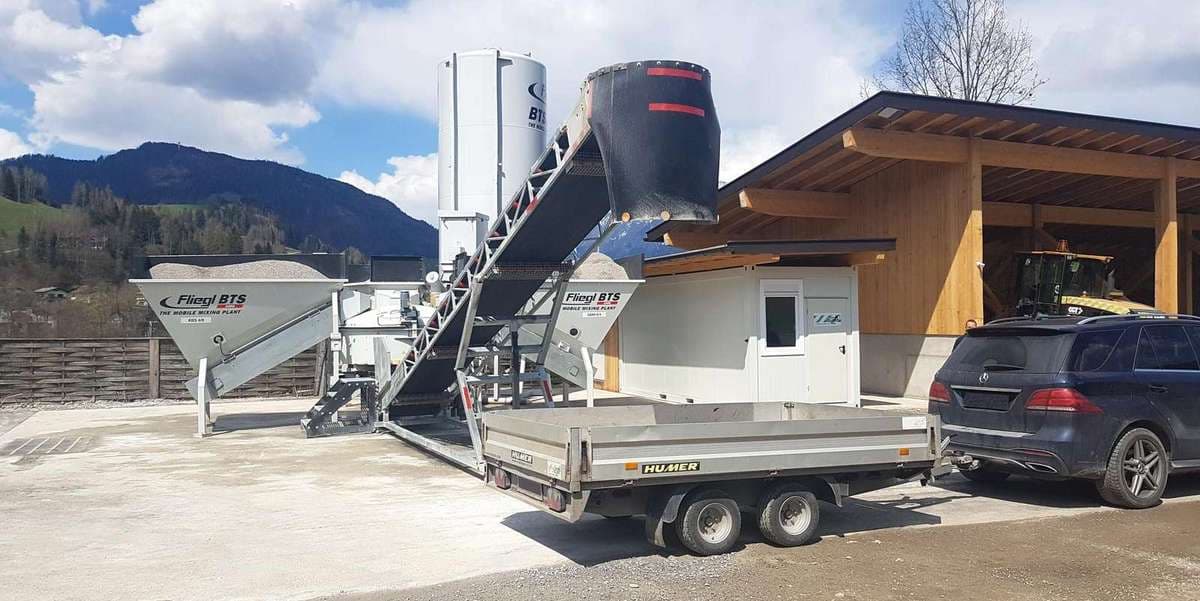
Concrete production also benefits from automation, IoT and AI technologies, which raise quality control and reduce construction failures. Automation software ensures dosage precision and concrete standardization, while IoT sensors monitor variables such as temperature in real time. AI analyzes this data, anticipates problems and optimizes production.
This integrated ecosystem expands control across the entire concrete cycle, from the production plant to application on the jobsite. The result is a significant reduction in construction defects caused by poor concrete quality, along with greater productivity, sustainability and process transparency.