Sustainability and profitability: how automation can balance these two goals
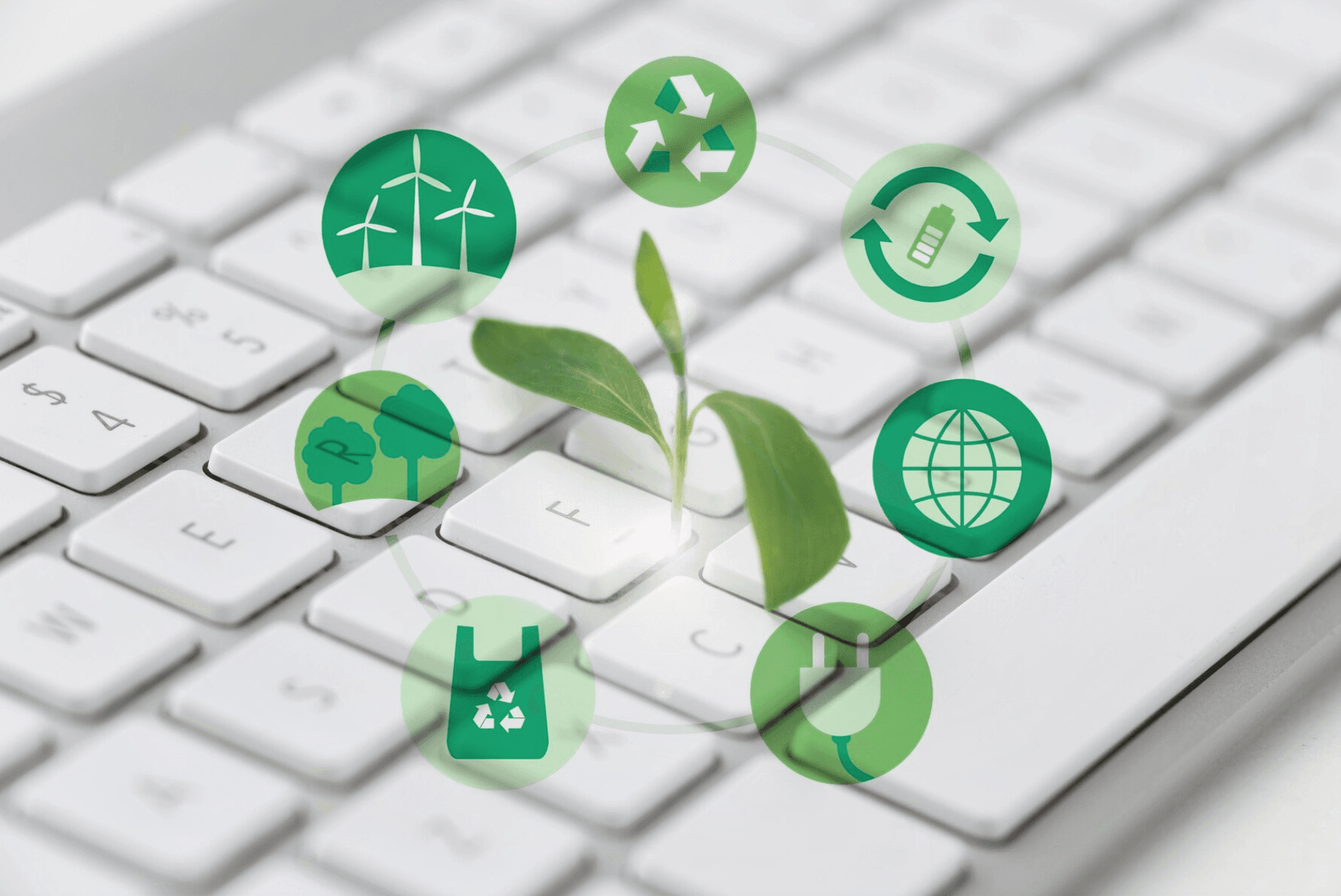
The world of civil construction is experiencing technological growth driven by advances that catalyze productivity, efficiency and profitability across many segments. The so-called Revolution 4.0 brings with it an increasingly pressing need: a commitment to sustainability. More than a trend, this condition has become an urgent requirement and a competitive differentiator in the market.
In this context, automation emerges as a fundamental ally for reconciling operational efficiency with environmental responsibility. By automating repetitive tasks, optimizing processes and using resources intelligently, it is possible to significantly reduce the environmental impact of civil construction without giving up profitability.
How can automation be an ally of economic and environmental sustainability?
To understand how automation can be an ally of economic and environmental sustainability, it is important to grasp what it actually involves. In essence, automation refers to the use of technology to carry out processes that eliminate the need for constant human intervention, increasing output, quality and workplace safety.
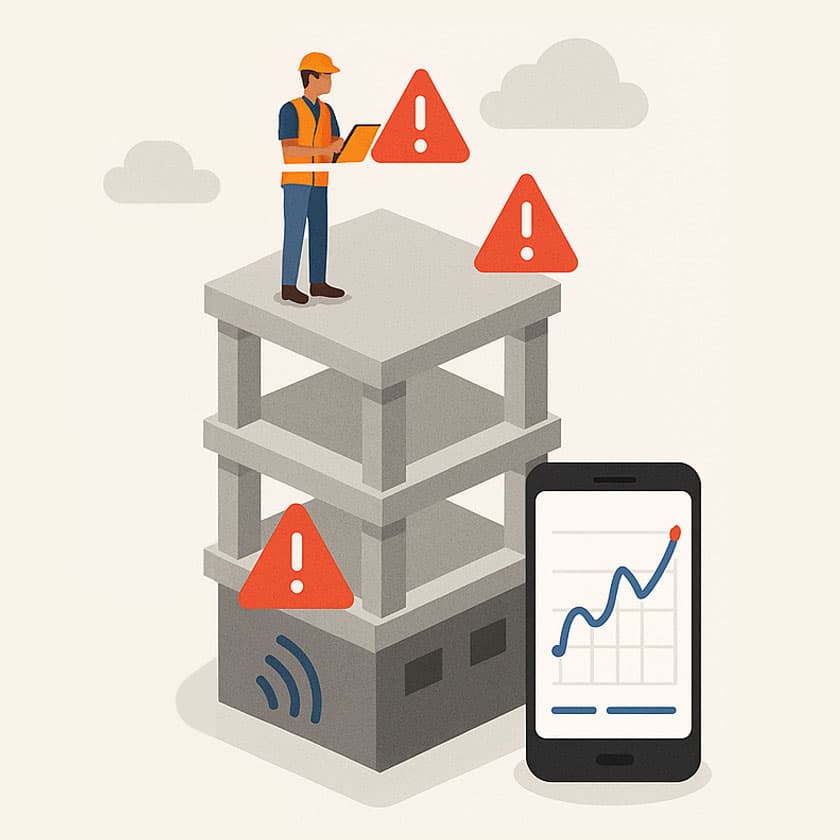
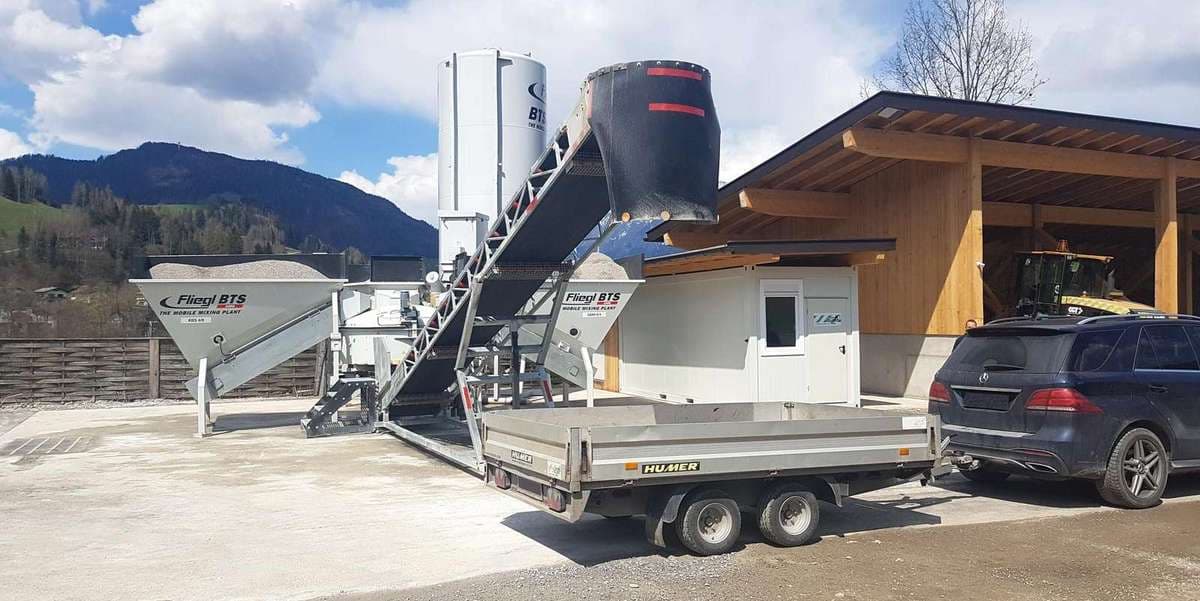
A good example of this is Kmix, an automation system developed by Kartrak specifically for batching plants. By enabling real-time monitoring of the mix dosage, it helps improve concrete quality and, consequently, reduce waste. This means an increase in the company's profitability without setting aside its commitment to sustainability.
Waste reduction and operational efficiency
With automation, companies can reach significant levels of efficiency, resulting in less waste. This is possible through technologies such as monitoring, which keep rigorous control over processes, ensuring precision and, consequently, saving resources.
Operational efficiency is also enhanced. Automation allows machines to operate without the need for constant intervention, reducing their energy footprint. Fleet, Kartrak's maintenance and fleet management system, exemplifies how operational efficiency can be achieved without giving up sustainability. With it, everything is done digitally: in-app signatures, QR Code management, online reports and Business Intelligence analytics. In this way, it helps reduce paper consumption and disposal while ensuring new levels of convenience and agility.
How to identify if you are wasting resources
Resource waste is a recurring problem in companies of all sizes and sectors, including civil construction, and it can lead to higher costs, lost productivity and environmental damage.
To identify whether you are wasting resources, watch for situations such as the following:
- The structural engineer designs a structure with a safety factor, requesting a more resistant concrete.
- The engineer responsible for formulating the mix design adds more cement to the composition to ensure that, even in the event of an operational failure, the concrete strength is equal to or higher than specified.
Excessive and unnecessary cement consumption in civil construction represents a serious environmental problem, considering that cement is one of the biggest pollutants and that water consumption in concrete is proportional to cement use. By securing the process and quality through automation, such as with Kmix, it is possible to reduce the amount of cement in the mix, optimize production and ensure quality.
Greater business longevity
Automation also strengthens the longevity of companies in the face of a range of challenges. By improving operational efficiency and reducing waste, it establishes a solid foundation for business growth and continuity, regardless of the sector.
Contrary to what one might think, automation does not eliminate available jobs but reshapes them. In reality, technology has the potential to create new green jobs that value sustainability. These opportunities not only drive the economy but also promote environmental awareness.
The Green Revolution of automation
In the end, when we look at the balance between sustainability and profitability, we see that automation effectively balances these two goals. By optimizing processes, reducing waste and improving efficiency, it brings benefits for both the environment and the bottom line.
Thus, by using automation solutions such as Kmix and Fleet, the civil construction sector can achieve greater profitability in a sustainable way, proving that these two concepts can indeed go hand in hand. So, are you ready to join this green revolution of automation? Talk to Kartrak and get started right now.