Concrete plays a fundamental role in the durability of structures, and proper curing is what protects it from significant damage over the years. In this article, we explain what concrete curing is, why it is so important, the ideal curing time, and the main methods available.
What is concrete curing?
Curing is the process of keeping concrete hydrated to reduce the consequences of water evaporation within the structure. This care allows the material to reach adequate strength and durability. When curing is done improperly, the structure becomes more prone to cracks, especially under temperature variations and inconsistent humidity.
Why is concrete curing important?
Concrete formulation is based on the W/C ratio (water/cement) and involves a chemical reaction in which cement grains crystallize when they come into contact with water. Because the proportions are defined in advance, it is essential that both components remain present throughout the entire process.
Strong sun, low humidity, and wind create paths for evaporation and can generate visible or invisible cracks. Without proper protection, the water needed for the chemical reaction is lost and voids form within the structure, a problem that frequently appears in slabs and floors.
What is the ideal curing time for concrete?
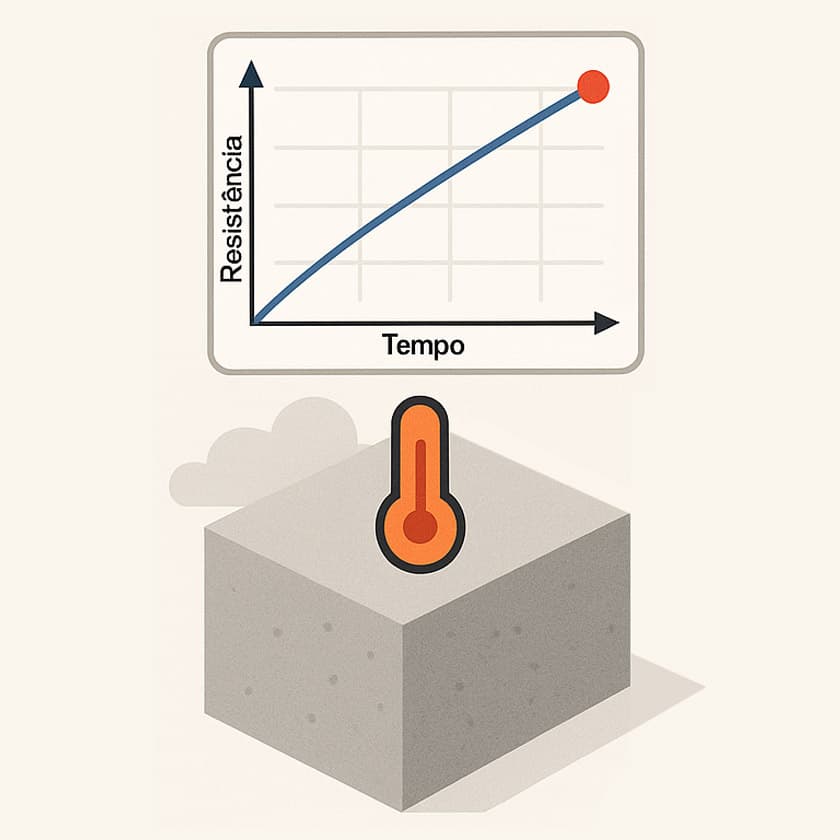
The recommended period is 7 to 14 days, with a temperature above 10 ºC. During the first 24 hours after pouring, keeping moisture constant is decisive to prevent rapid evaporation. In general, a minimum of 7 days is considered for conventional concrete and up to 14 days for common cements, which harden more slowly.
The 3 main types of concrete curing
1. Moist curing
Wetting the concrete is the most common method and can be done manually or automatically. It is recommended to moisten the surface at least three times a day, spreading the applications across the entire curing period.
2. Chemical curing
Keeps the concrete moist through a film of paraffins, waxes, or acrylic resins that prevents evaporation. Plastics can also be used to ensure moisture circulation and retention.
3. Thermal curing
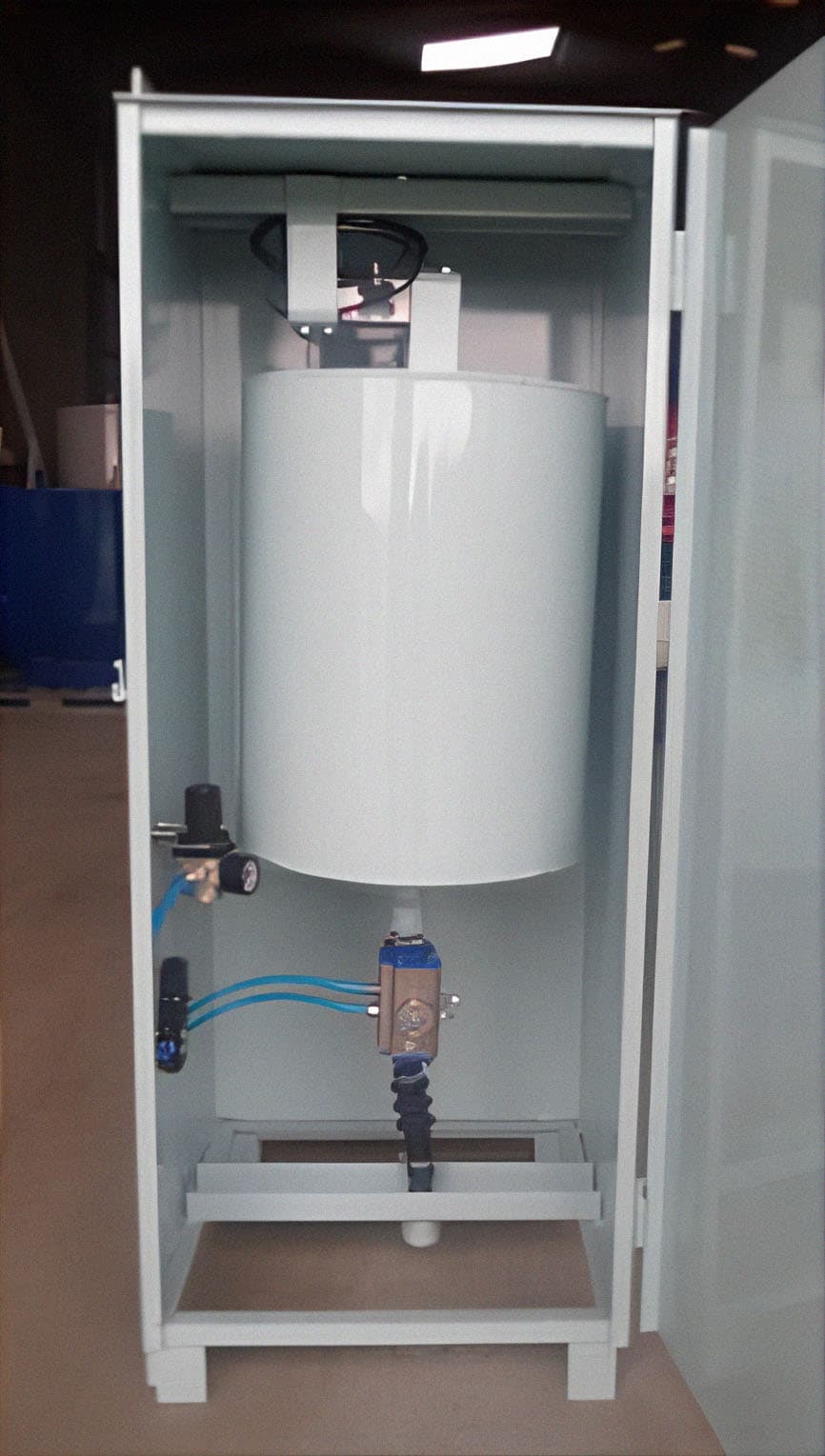
Subjects the concrete to high temperatures, usually through steam, to accelerate crystallization without losing the water from the mix. Heaters can also warm the material while maintaining moisture. It is more expensive than traditional methods, but extremely efficient.
Curing is an essential part of structural construction. The ideal time varies according to factors specific to each project, but proper planning and monitoring are what ensure the best results.