How to protect a concrete plant from electrical discharges
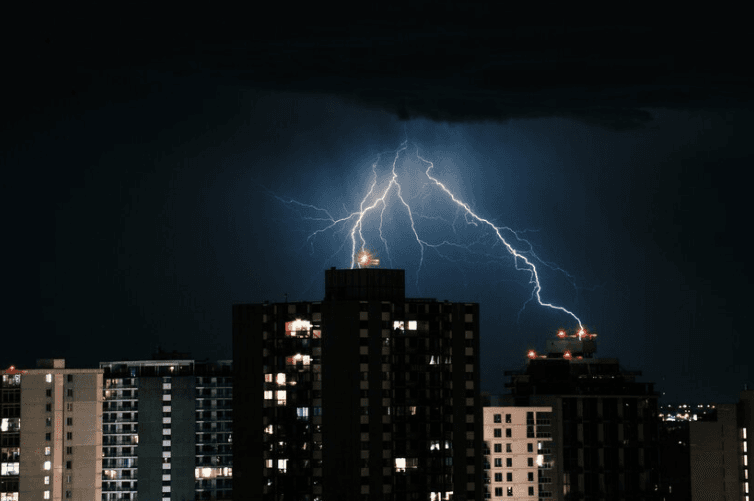
Electrical discharges, or lightning strikes, represent a constant threat to concrete plants. With the growing frequency of extreme weather events, especially in the months of December and January, protection against these natural phenomena has become a critical priority for batching plants.
As the losses resulting from production interruptions and equipment damage intensify, understanding how to mitigate the impacts of electrical discharges becomes a matter of safety and operational sustainability. That is why, in this article, we explore practical strategies to protect your facility and ensure continuity of operations.
The importance of lightning protection in concrete plants
The importance of lightning protection in concrete plants goes beyond physical safety: it extends to protecting operational assets and preserving production efficiency. But have you ever stopped to think about why these sites are so vulnerable, and what the real impacts of electrical discharges are on concrete production? We will explain.
What are the impacts of lightning on concrete production?
Concrete plants, with their extensive metal structures and complex electrical systems, are extremely vulnerable to lightning, and the damage caused by electrical discharges goes far beyond the obvious material losses.
Production interruptions, unplanned downtime and failures in essential equipment result in significant financial impacts. In addition, the need for repairs and replacements can lead to extra costs and harm the plant's reputation.
Diagnosing the concrete plant's vulnerabilities
Before implementing lightning protection strategies, it is important to carry out a thorough assessment of the concrete plant's infrastructure. This involves:
- Examining the electrical system's capacity to withstand electrical discharges;
- Checking for protective devices, such as circuit breakers and fuses;
- Identifying areas where sensitive equipment is concentrated;
- Verifying the quality of the grounding.
Through this diagnosis, it will be possible to establish a solid foundation for implementing preventive measures.
The next key step is risk mapping, an approach that aims to identify the areas most likely to be hit by electrical discharges. This includes considering the geography of the site, the frequency of storms in the region and the presence of tall structures.
By carrying out both the assessment of the current infrastructure and the risk mapping, your plant will be ready to implement tailored protection measures. This approach is essential to build a strong defense system, ensuring operational safety and process continuity even in the face of these atmospheric adversities.
Lightning protection strategies for concrete plants
Given the constant threat of electrical discharges, it is extremely important to adopt effective protection strategies to safeguard the facilities and ensure operational continuity. Some of them are:
An efficient grounding system
A grounding system is the first line of defense against electrical discharges. Ensuring a safe and efficient connection to the ground is essential to dissipate unwanted electrical energy, preventing damage to equipment and ensuring the safety of the facilities.
Grounding should be implemented following the TT or TN-S standards, installing grounding rods and connecting both the ground conductor of the equipment and power sources, as well as the metal control panels, load cells and weighing indicators. This way, any unwanted current is carried to ground, preventing lightning surges and also electric shocks when touching the panels.
Grounding the moving parts of the scale
In weighing systems, such as an aggregate scale, the weighing point is suspended by load cells. If lightning strikes the moving part, the only path to reach the ground is through them. That is why these systems often burn out when a surge hits the moving part.
In this case, it is recommended to bolt a grounding conductor between the moving part and the fixed part of the scale, so the lightning has a faster path to reach the ground without passing through the load cells.
Lightning rods and protection systems
Installing lightning rods is another essential measure to divert a lightning strike's electrical charge away from the plant's main structures. These devices can be installed in strategic locations, such as silos, water tanks or other elevated points, providing a more direct path for the electricity to reach the ground without harming critical facilities.
In addition, lightning protection systems can include surge protection devices (SPDs) to reduce the impact of overvoltages on electrical equipment. SPDs can be installed both on the power supply of weighing and automation systems and on sensors located in the plant yard that are more exposed to lightning, such as remote weighing displays in Tow-Go plants.
Protection for sensitive equipment
Sensitive electrical and electronic equipment, such as panels and weighing and automation systems, requires additional safety measures. The use of in-line surge protection devices, such as electromagnetic suppressors, helps to limit overvoltages, protecting these items against damage.
In addition, installing uninterruptible power supply (UPS) systems, the well-known no-break, is necessary when using automation and can guarantee a stable power source during temporary power failures caused by electrical discharges.
Diagnosis and ongoing maintenance
Carrying out regular audits of the plant's electrical infrastructure is essential to identify potential vulnerabilities and ensure the ongoing effectiveness of protective measures. Grounding resistance tests, visual inspections and preventive maintenance of lightning rods are essential practices to maintain the integrity of the lightning protection system. In addition, educating the team about safety practices, recognizing signs of storms and following proper procedures in the event of electrical discharges strengthens the culture of prevention and creates an essential human line of defense.
The preventive measures we have listed here, if applied correctly, can prevent up to 100% of problems with electrical discharges. Beyond them, there is the good old electrical damage insurance for the plant, which will not bring back lost time but will at least cover the material losses. Remember that we are in the country with the highest number of electrical discharges in the world.
By investing in lightning protection, you defend your plant against natural phenomena, and you also demonstrate a solid commitment to safety, operational efficiency and resilience. Ultimately, by adopting these practices, you secure not only the present but also build a strong foundation for the future.
Want more information on this topic? Talk to our team of specialists and share this article with a colleague who also needs to know these strategies.